
Paint rubbing off or not sticking
Paint or primer that rubs off on fingers, chips at edges or beads up on the surface. Usually a clean-and-prime problem, sometimes a handling one.
Quick answer
Paint rubs off when it never bonded to the surface (grease, mold release or resin residue, no primer) or when bare edges get worn by handling. Wash parts in warm soapy water, let them dry, use a primer that suits the material and let it cure, then paint and seal with a varnish. Hold the model by a handle or base while painting so your fingers do not wear the paint.
- TimePrevention adds about 10 minutes plus primer curing
- DifficultyBeginner
Safety first
- Ventilate when priming; use a respirator suited to the product.
Is this your problem?
- Paint beads or crawls when brushed onSurface contamination (grease, mold release): wash and re-prime.
- Comes off with masking tapeSee Paint lifting with the tape.
- Rubs off only on edges you holdHandling wear: use a painting handle and varnish.
- Primer is powdery and wipes offDry-sprayed primer: see Primer grainy or fuzzy.
- Resin print surface feels tackySee Sticky resin print first.
You'll see
Paint or primer wipes off with a finger or tape, flakes at edges, rubs through on corners while you hold the model, or beads up and will not cover.
Likely causes
- Mold release, grease or resin residuePaint sits on a slippery film instead of gripping the surface.
- No primerAcrylic paint grips smooth plastic, resin and metal poorly without a primer.
- Primer not cured or dry-sprayedUncured or powdery primer is a weak layer that rubs off with the paint.
- Handling during paintingSkin oils and friction wear paint off edges.
- No protective varnishAcrylic paint alone is soft; gaming pieces and handled models wear quickly.
What you need
- Warm water, mild dish soap, soft brush
- Primer suited to the material
- Painting handle or holder
- Varnish
How to fix it
- Wash parts in warm soapy water with a soft brush, rinse well and let them dry fully.
- From now on, handle by edges or with gloves.
- Prime with a primer suited to the material, in light coats, and let it cure as instructed.
- Mount the model on a handle, holder or temporary base so you do not touch the painted surface.
- Paint in thin coats, letting each dry.
- Seal finished work with a varnish, especially on gaming pieces and models that will be handled.
What to avoid
- Painting straight onto bare resin or metal.
- Touching the surface after washing.
- Gaming with unvarnished miniatures.
Common wrong fixes
- Thicker paint for durability: thick coats chip more easily.
- Using craft or household primers that are too thick for detail.
Not worth fixing, or time to ask us
If a well-washed, primed part still loses paint, tell us the material and primer; some plastics need a specific primer.
By situation or hobby
Resin kits and miniatures
Cast resin often has mold release: wash carefully. Resin prints must be fully washed and cured before priming.
Metal miniatures
Metal is slick: a primer made for metal and careful degreasing matter most.
Gunpla and stirene
Hobby lacquer primers bite well into stirene; acrylic paints need a primer to last.
3D FDM prints
PLA/PETG may need light sanding and a filler primer for a good key.
Already ruined?
Strip or sand back flaking areas, wash the part, spot-prime and repaint. If paint rubs off all over, strip the whole part and start with washing and priming.
Next time
- Wash every part before priming.
- Always prime.
- Let primer cure.
- Use a painting handle.
- Varnish handled models.
Frequently asked questions
Why is my paint rubbing off my miniatures?
Usually no primer, mold release on the surface, or handling wear. Wash, prime, use a handle and varnish.
Why won't acrylic paint stick to plastic?
Smooth plastic gives acrylic paint little to grip. A primer bonds to the plastic and gives the paint a key.
Do I need to wash resin before painting?
Yes. Cast resin can carry mold release and prints can carry residue; both stop paint sticking.
How do I stop paint chipping off miniatures?
Prime properly and seal with varnish; gloss coats are tougher, followed by matt if you want a flat finish.
Jargon explained
- Mold release
- A slippery agent used in casting that can stay on parts.
- Key
- A surface texture or chemical bond that gives paint something to grip.
Tools that can help
-
Guazi Studio 100ml Model Primer Surfacer $23.95
Why it helps: A primer surfacer described as gripping plastic, resin and metal and giving color something to bite into.
How to use it
Prime clean parts in light coats and let it cure.
-
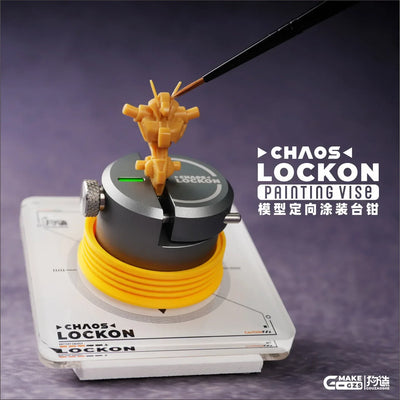
0/30/60º Rotating Painting Vise With Magnetic Base $45.95
Why it helps: A painting holder made for painting figures and delicate pieces without handling them.
How to use it
Mount the model so your fingers never touch the paint.
-
NightWorks Acrylic Varnish and Hard Coat from $19.95
Why it helps: A varnish and hard coat described as protecting paint against handling.
How to use it
Seal finished models, especially gaming pieces.


Reviewed November 3, 2026